
When Sustainability Becomes Culture: Japan’s Lesson from the 2026 FIFA World Cup

Every edition of the FIFA World Cup brings together millions of people from different countries, cultures, and backgrounds, united by their passion for the game. Yet beyond the goals and celebrations, the 2026 tournament has once again highlighted another important issue: the environmental impact of large-scale sporting events.
International travel, the energy required to operate stadiums, and the enormous amount of waste generated during each match all present significant challenges for host cities. In this context, every action that helps reduce that environmental footprint becomes especially meaningful.
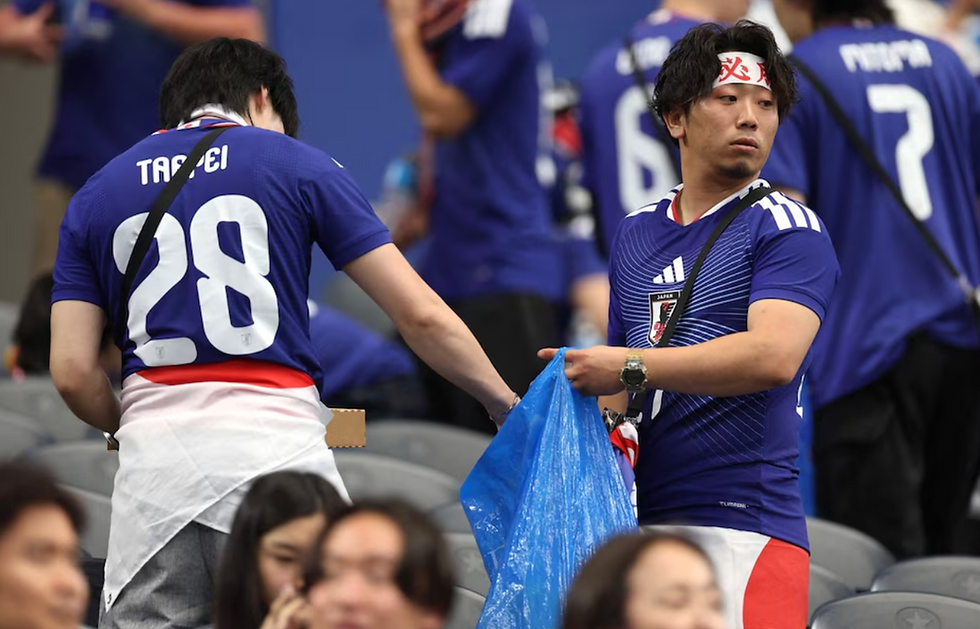
It was under these circumstances that Japanese fans once again demonstrated a tradition that has earned global recognition. Following the Group F match between Japan and Tunisia at Monterrey Stadium, thousands of supporters stayed behind to collect the waste left in the stands. The initiative was so impactful that local authorities expanded their support, increasing the number of garbage bags provided from 10,000 to 20,000 and coordinating cleanup efforts alongside volunteers and stadium staff.
While this may seem extraordinary to many, in Japan it is simply part of everyday life. From an early age, children participate in cleaning their classrooms, schoolyards, and shared spaces, learning values such as collective responsibility, respect for their surroundings, and care for public spaces. As a result, these practices become lifelong habits that people carry with them wherever they go.
This example reminds us that sustainability is not driven solely by legislation, infrastructure, or technological innovation. It also depends on a culture in which people recognize that everyone has a role to play in caring for the environment they share.
That is exactly the vision that drives Wwwhai.
At Wwwhai, we believe sustainability begins with everyday choices. Properly sorting waste, recycling, reducing unnecessary consumption, and participating in community initiatives may seem like small actions, but when embraced by thousands of people, they create meaningful collective impact. Responsible waste management is not the responsibility of governments and businesses alone—it requires the active participation of every citizen.
The image of an entire stadium of fans cleaning up before heading home reminds us that real change happens when environmental stewardship moves beyond temporary campaigns and becomes part of everyday behavior. It is not simply about picking up litter; it is about recognizing that public spaces belong to all of us and that caring for them is a shared responsibility.
If one simple act can inspire thousands of people around the world, it can also encourage us to reflect on our own daily habits. Every properly sorted container, every item recycled, and every conscious decision contributes to cleaner communities, more sustainable cities, and a healthier planet.
In the end, the greatest legacy of this World Cup may not be found only in the results on the field, but in the reminder that sustainability grows stronger when individual actions become a shared culture.


